
A refurbishment is your chance to reset how the space feels, attract a new crowd, and give regulars a reason to talk about you again. But it’s also one of the easiest projects to get wrong. Mistakes tend not to show up until months later, when the new fit-out is already in, and the budget is already spent.
At Warner, we’ve supplied furniture for hundreds of bar and restaurant refurbishments across the UK, which means we’ve seen the same avoidable mistakes crop up again and again. The good news is that almost all of them come down to decisions made early on, long before the first chair is delivered.
Here are the most common mistakes operators make during a refurbishment, and how to sidestep them.
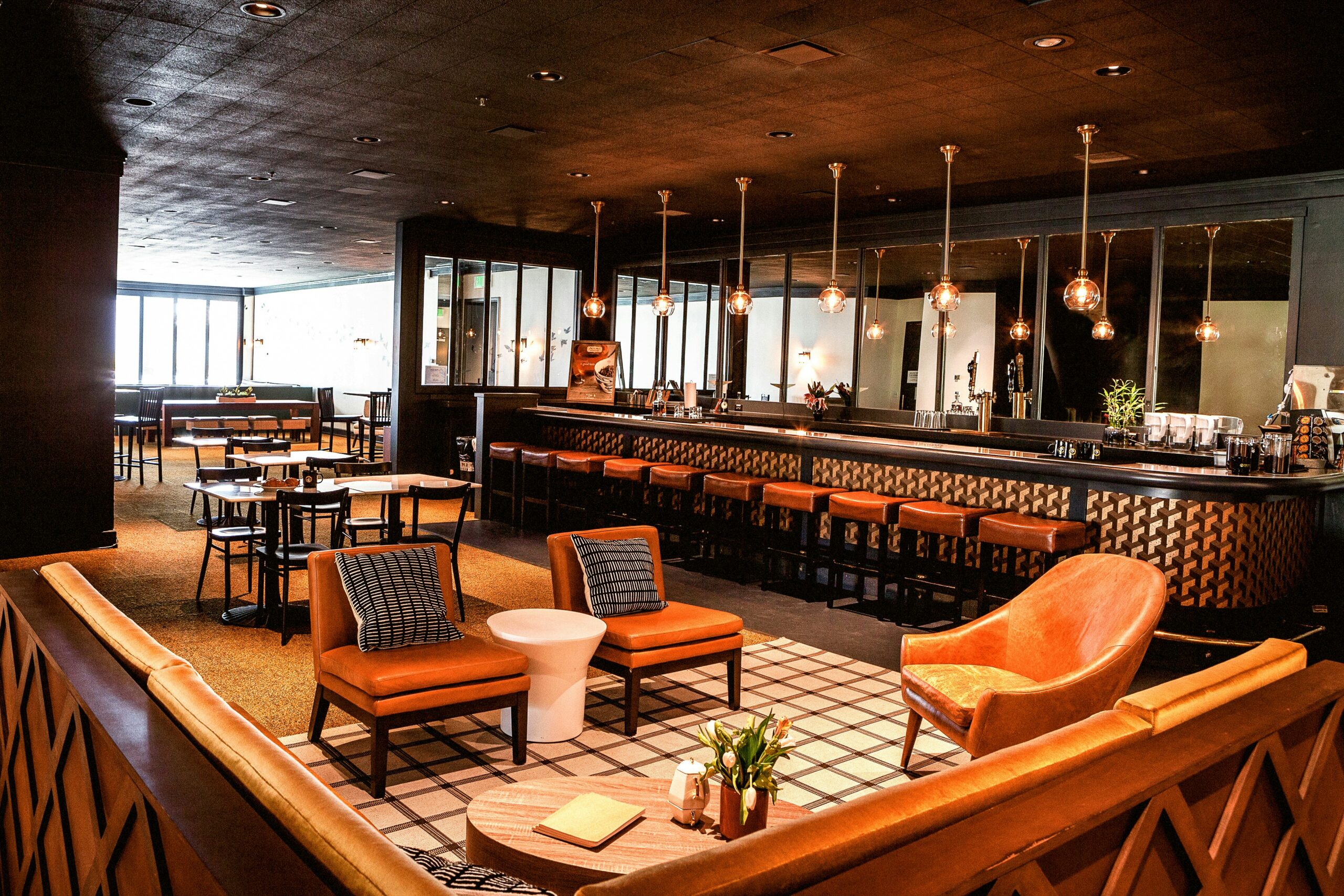
Choosing furniture based on looks alone
It’s the most understandable mistake to make. You’re refurbishing because you want the space to look better, so it’s natural to lead with aesthetics. The problem is that a chair that photographs beautifully in a showroom can fall apart within a year if it isn’t built for commercial use.
Domestic and lightweight furniture simply isn’t designed for busy venues. Hundreds of people a week, daily cleaning, dragged chairs, spilt drinks and the occasional standing-on-it-to-reach-something moment can really take its toll on non-commercial furniture. Contract-grade furniture is engineered for exactly that, with stronger frames, denser foams and tested joints.
The key is to find a commercial furniture supplier that stocks products that fit your vision for your bar or restaurant. The piece needs to suit your brand and survive your trade. Our commercial chairs and contract tables are built to do both, so you’re not choosing between a space that looks good and one that lasts.
Underestimating wear and tear, particularly for outdoor venues
In reality, hospitality furniture lives a hard life, and the difference between a piece that’s specified for the environment and one that isn’t becomes obvious fast.
Outdoor furniture is where this often hits hardest. A British beer garden puts furniture through rain, frost, strong sun and constant movement, and domestic garden furniture rarely survives more than a season or two of it. Weatherproof, commercial-grade outdoor furniture costs more upfront but holds up year after year, which matters enormously when outdoor space is increasingly where the trade happens.
The fix is to be honest about how each area will actually be used, then specify accordingly. A quiet corner banquette and a high-traffic bar stool have very different lives ahead of them.
Getting the layout wrong
Layout is where a refurbishment quietly succeeds or fails, and it’s far harder to fix once the work is done. Overcrowded dining areas, uncomfortable seating arrangements and restricted walkways can lead to a chaotic atmosphere, causing customers to feel cramped and unwelcome in your bar or restaurant.
The instinct during a refurb is often to squeeze in as many covers as possible. More seats mean more revenue, on paper. But cram tables too tightly and you create congestion, slow your service down and make guests feel rushed, none of which encourages them to stay or come back. Poor flow will also increase wait times, complicate operations, stress staff and cause missed revenue opportunities during busy hours.
A good layout should balance capacity with comfort and flow. Servers should be able to move between the kitchen, bar and tables without crossing paths with guests, and customers should be able to find their way to seating, toilets and the bar without thinking about it.
It’s worth mapping the space against how it actually operates at peak times, not how it looks empty on a floor plan.
Cutting costs in the wrong places
Every refurbishment has a budget, and trimming it is part of the job. The mistake is trimming it in the places guests notice and feel most.
Saving a few pounds per chair sounds sensible until you’re replacing the whole set in eighteen months, or until customers are sitting on something that wobbles and creaks through their meal. The smarter approach is to spend where it counts:
- The seating people sit in
- The tables they eat at
- Pieces in the arrival areas where first impressions are formed
These are the items that work hardest and get seen most, so they’re rarely the place to cut corners. There’s nothing wrong with phasing a refurbishment to manage cash flow. Many of our customers refresh in stages, prioritising the highest-impact areas first and coming back for the rest later. That’s a far better strategy than cutting quality across the board to do everything at once.
Forgetting to plan for flexibility
The way people use venues shifts, group bookings rise and fall, and a space that’s locked into one rigid configuration can quickly start to feel limiting.
A common refurbishment mistake is fitting out purely for how the venue operates today, with no thought for events, private hire or quieter midweek trade. Furniture that can be moved, stacked or reconfigured gives you options – such as clearing the floor for a function or pulling tables together for a large party.
If you’ve got an unusual layout or a specific vision that off-the-shelf furniture won’t quite serve, our made-to-order range lets you spec pieces that fit your space exactly, rather than forcing the space to fit the furniture.
Leaving furniture until the last minute
Furniture has a habit of being treated as the finishing touch, ordered late once the building work is nearly done. The trouble is that quality contract furniture often has a lead time, and rushing the decision at the end of a project is how operators end up compromising on the most visible part of the whole refurbishment.
The fix is to bring furniture into the conversation early, alongside flooring, lighting and layout. It informs how the space is planned, and giving yourself enough time means you can choose the right pieces rather than whatever happens to be available quickly.
Get it right from the start with Warner
A refurbishment works best when furniture, layout and budget are planned together, with one eye on how your venue actually trades and another on how it’ll hold up over the years to come. That’s where experience makes the difference, and it’s exactly the part we enjoy helping with.
At Warner, we work with bars, restaurants and pubs across the UK to specify furniture that fits the brand, suits the space and stands up to the trade. If you’re planning a refurbishment and want to avoid these common mistakes, browse our carefully curated commercial bar and restaurant furniture. When you’re ready, request a quote and our friendly team will help you get it right from the start.